

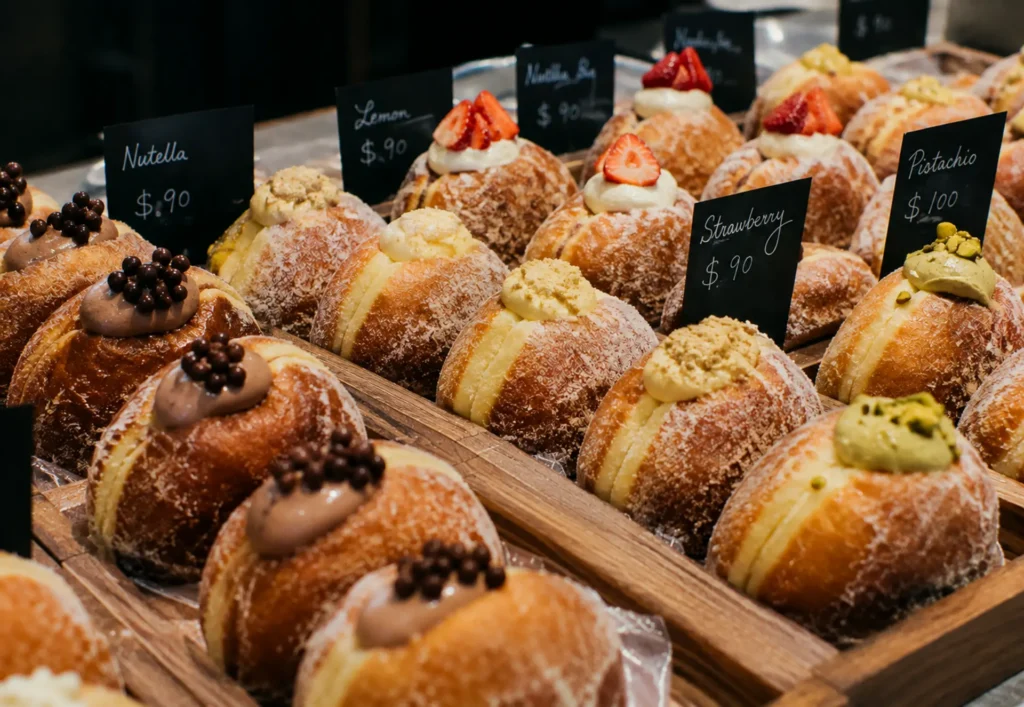
The Fresh Donut Boom:
Why Dessert Brands Need More Than Great Products
Walk through the streets of Taipei today, and one trend is impossible to miss: fresh donuts.
Over the past year, Taiwan has seen a surge of specialty donut brands. Local favorites such as Goo Donut, DAYKEY DONUT, MOMO DONUT, and Born Donut have generated enormous buzz.
Long lines outside stores, limited-edition flavors, and social media feeds filled with photos have become hallmarks of the craze.
What’s particularly interesting is that people aren’t just talking about the donuts themselves. They’re sharing the entire experience—from waiting in line and filming unboxing videos to admiring store interiors and comparing the best times to visit. For many consumers, buying a fresh donut has become about more than dessert. It’s an experience worth sharing.
Great products attract customers. Memorable experiences turn them into loyal ones. But behind every memorable experience is an operational challenge: how can brands continue delivering the same level of service as they grow?
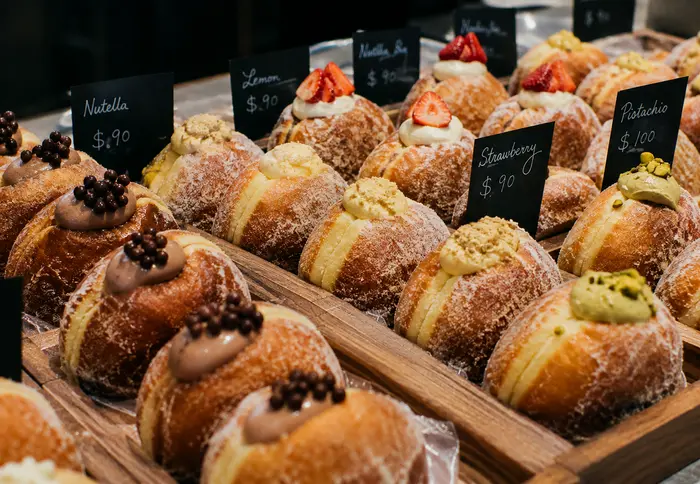
Customers Are Buying More Than a Donut
A decade ago, donuts were largely considered a convenient everyday snack—something affordable, familiar, and easy to purchase.
Today, many emerging dessert brands are taking a different approach. They are investing in distinctive store designs, premium packaging, compelling brand stories, and seasonal flavors—all intended to make every purchase memorable and shareable.
We’ve seen this playbook before. Specialty coffee and bubble tea both evolved from everyday purchases into lifestyle brands. Fresh donuts are following the same path.
When customers are willing to pay a premium for a single donut, they are not only paying for ingredients such as dough, cream, and sugar. They’re buying into a brand—its story, its aesthetic, and the lifestyle it represents.
That also explains another phenomenon: the line outside the store.
Yet not every queue is a problem to solve. For some brands, a wait reinforces scarcity, builds anticipation, and becomes part of the experience itself.
For business owners, the real challenge may not be the customers waiting outside the store. It is what happens behind the counter.
The Hidden Cost of Constant Innovation
Since fresh donuts became a major trend in 2025, competition has continued to grow. Brands are introducing new flavors faster than ever, while seasonal products and collaborations have become standard marketing strategies.
Today it might be strawberry pistachio. Tomorrow it could be roasted hojicha custard. Next month, a new collaboration product may arrive.
To customers, it’s simply another flavor.
Behind the counter, it’s much more than that.
Every new menu item adds another layer of operational complexity and sets off a chain reaction. Employees need to learn new product names, prices, and selling points, training materials have to be updated, POS systems need new SKUs, and checkout becomes more complicated during peak hours.
The challenge is even greater because many limited-edition products stay on the menu for only a few weeks—or sometimes just a few days. Employees must quickly learn new items while continuing to provide fast and accurate service during busy periods.
Each additional task may seem small, but together they create growing operational pressure. The real challenge is not launching a successful product. It’s maintaining consistent service quality as new products continue to roll out.
Why Great Service Shouldn’t Depend on Memory
As menus expand and employee turnover remains a reality, consistency becomes harder to maintain. The challenge isn’t simply hiring enough people. It’s making sure every employee can perform with the confidence of someone who’s been there for months.
Checkout is often one of the most time-consuming processes for new employees to master.
They need to learn product names, recognize items at a glance, and accurately enter each selection into the POS. Whether customers bring products to the counter themselves or frontline employees assist with selecting items, the checkout process still requires staff to first identify each product before searching for it in the POS.
None of these tasks improve the customer experience. Yet they consume a surprising amount of employees’ attention throughout the day.
So perhaps the more important questions are not:
“How can we make checkout faster?”
but rather:
“How can we reduce the learning burden created by constantly changing products?”
and:
“How can we help employees spend more time with customers instead of navigating systems?”
AI as a Second Pair of Eyes
The challenge becomes more apparent when products cannot simply be scanned.
Packaged products with barcodes can be scanned instantly at checkout. Freshly baked pastries and prepared foods, however, typically do not have barcodes available. This means frontline employees still have to identify every item by sight before completing a transaction.
To shorten training time and reduce operational complexity, more bakery brands are beginning to introduce AI into their checkout processes.
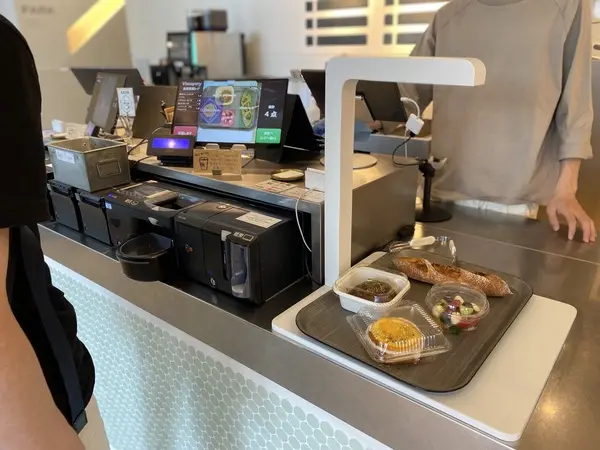
This is where AI is beginning to make a difference. Instead of asking employees to identify every pastry manually, AI can recognize products automatically and send the product information directly to the POS. This reduces manual searching and data entry while helping employees adapt more easily when new products are introduced.
The goal isn’t to replace people.
It’s to free them from work that never required human attention in the first place.
Employees can continue focusing on what matters most—introducing products, answering questions, preparing orders, and creating meaningful interactions—while AI handles repetitive recognition tasks behind the scenes.
Further reading: From Long Lines to Loyal Customers: How AI Won Hearts at SO ALL TOO BAKERY
Further reading: How AI is Making Bakery Operations Easier: DOASIS’s Experience with AI Checkout
When Experience Becomes the Competitive Advantage
For many years, digital transformation was primarily discussed in terms of reducing labor costs, improving efficiency, and increasing productivity.
Those benefits still matter, especially when it comes to efficiency. But efficiency alone is no longer enough. Experience is.
In a market where consumers increasingly value brand experiences, customers are often willing to wait—not because they enjoy waiting, but because they believe the experience will be worth it.
After all, customers rarely remember a fast transaction. They remember a thoughtful interaction.
In the years ahead, the brands that stand out won’t simply be the ones launching the next viral flavor. They’ll be the ones building the operational foundation that quietly makes every customer experience feel effortless—even if customers never notice it’s there.
Further reading: How AI Enhances Bakery Operations and Customer Experience
(The featured image was generated using ChatGPT’s AI tools for illustrative purposes only.)