

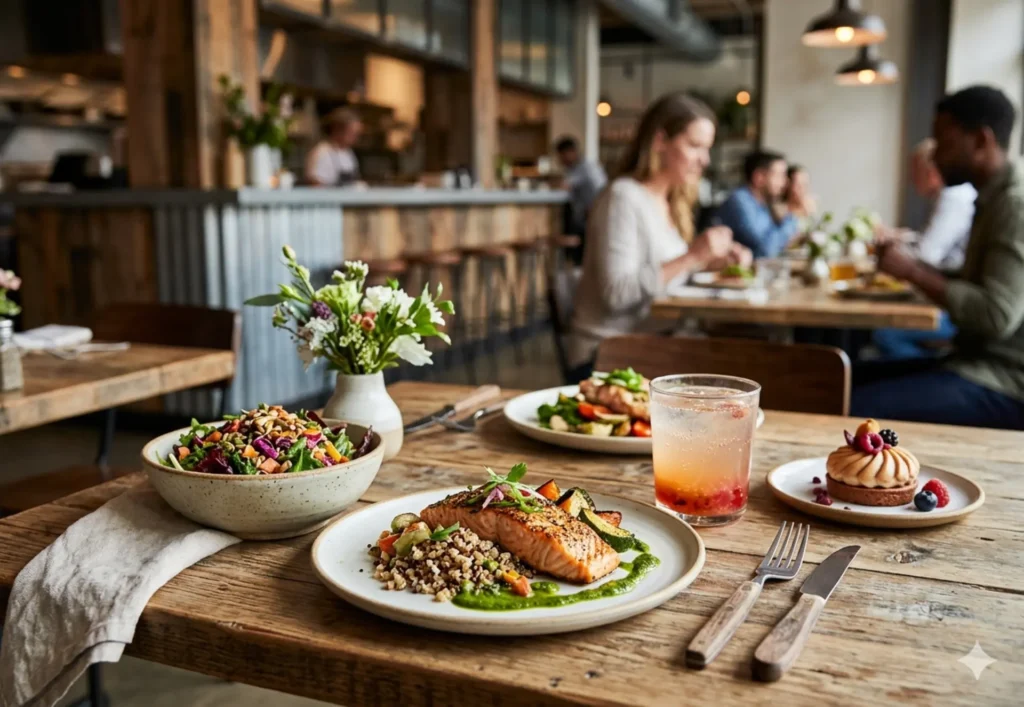
Five Key Trends Shaping the Foodservice Industry in 2026
From Consumption to Life Decisions
As we move into 2026, the foodservice industry is undergoing a structural shift. In the past, dining decisions were largely driven by taste, convenience, and price. Today, industry insights suggest that eating is no longer just a simple consumption choice. For many consumers, it has become a more considered decision—one that reflects their health goals, budgets, time constraints, and even emotional needs.
1. Health: From Calorie Control to Precision Nutrition
1-1. GLP-1 Is Reshaping Appetite and Menu Design Logic
One of the most significant forces impacting the industry in recent years is the rise of GLP-1 medications. These drugs are changing how consumers eat by altering appetite and consumption patterns, ultimately reshaping demand. Research consistently shows that users tend to reduce their intake of high-calorie, high-sugar, and high-fat foods, while placing greater emphasis on the nutritional value of each bite, including protein, fiber, and micronutrients 1, 2, 3, 4.
This shift is leading operators to rethink how they build their menus. Instead of focusing on bigger portions and fullness, the goal now is to deliver more meaningful nutrition—getting more value into each bite rather than just serving more food.
1-2. Smaller Portions and Changing Expectations Around Eating
The growing popularity of smaller portions isn’t just driven by health trends—it also reflects how consumers want to eat today. Many people are trying to manage how much they consume without giving up the enjoyment of eating. As a result, smaller portions are no longer just scaled-down versions of full meals, but are designed to feel complete and satisfying on their own 1, 2, 3, 4.
This trend is especially visible in the bakery and dessert markets. Smaller, more refined, and more varied options are gradually replacing traditional large-format products, allowing consumers to try a wider range of flavors with less guilt or commitment 5, 6. “Variety in moderation” is becoming a new consumption norm.
1-3. Aging Populations and the Rise of Functional Nutrition
As baby boomers move further into middle and older age, demand is increasingly centered on health and longevity. Studies show that older consumers are paying more attention to heart health, gut health, and anti-inflammatory diets 6, and are starting to see food as part of their daily approach to staying healthy.
1-4. Functional Foods Go Mainstream
Health consciousness is no longer limited to specific demographics. Consumers across age groups are placing greater value on high-protein, high-fiber, and function-forward foods and beverages. As noted earlier, this is especially pronounced among GLP-1 users, where reduced food intake makes nutrient density per meal more critical—accelerating demand for functional products 4.
Supporting this trend, search interest in “high-fiber snacks” has surged by 2,578% over the past 12 months 2. Beyond fiber, products such as probiotic sodas, plant-based protein drinks, and high-protein, zero-sugar beverages are moving from niche supplements into everyday consumption 7.

2. Rebalancing Consumption Under Economic Pressure
2-1. Eating Out Less, but Expecting More Value
Global uncertainty and persistent inflation are continuing to shape consumer dining behavior. While differences across generations still exist, the overall pattern is clear: people are eating out less often and thinking more carefully about their choices 8.
Importantly, the market is not simply moving toward cheaper options. In the U.S., for example, limited-service restaurants (LSRs) continue to account for a large share of the market, while full-service restaurants (FSRs) actually saw stronger transaction growth in 2025. This suggests that consumers are rethinking the balance between price and experience, rather than simply choosing the lowest-cost option 8.
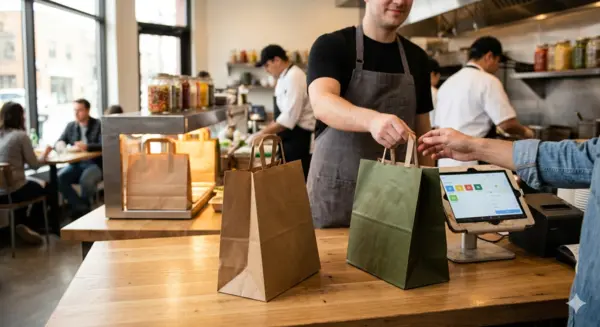
2-2. Takeout Gaining Ground Over Delivery
Rising delivery fees, along with concerns about food quality during transit, are making delivery less attractive to many consumers.
Takeout, by contrast, offers lower costs and avoids the quality issues that can come with delivery, making it an increasingly preferred off-premise option 8. In response, operators are investing more in the takeout experience—improving ordering systems, optimizing pickup processes, and strengthening loyalty programs.
2-3. Affordable Dining and the Rise of More Accessible Premium Options
Under inflationary pressure, affordability has become a key consideration. Consumers are still willing to dine out, but they are more focused on balancing price and quality. Even premium brands are introducing more accessible offerings, leading to greater pricing flexibility and more blurred positioning across the market 9.
2-4. At-Home Dining and Ready-to-Eat Growth
As the cost of dining out rises faster than other everyday expenses, some demand is moving back into the home 8. This is supporting continued growth in ready-to-eat and frozen foods 8, along with ongoing innovation in related product categories.
3. Loyalty and Marketing: From Transactions to Long-Term Relationships
3-1. Loyalty Programs as a Core Competitive Advantage
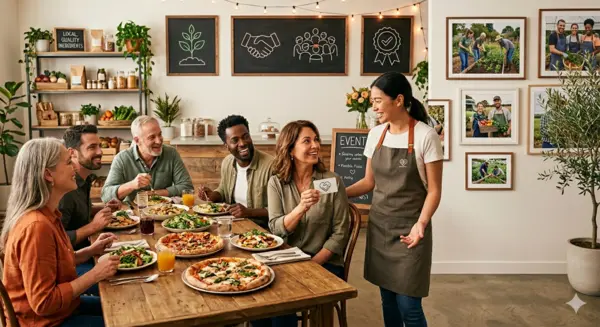
In a price-sensitive environment, foodservice brands are recognizing that product alone is no longer enough to sustain long-term competitiveness. As a result, the focus is moving away from one-off transactions and toward building longer-term customer relationships, with loyalty programs and engagement strategies now playing a central role in how brands operate.
As digital adoption continues to grow, loyalty apps are also becoming more interactive. Brands are introducing gamified features such as sweepstakes, missions, points systems, and member-exclusive rewards, along with timely promotions tied to cultural moments and cross-industry collaborations. These efforts help keep the brand present in consumers’ everyday lives and support more consistent engagement over time.
The goal is no longer just to drive repeat purchases, but to stay top-of-mind across different life situations and build a stronger sense of familiarity and connection over time.
At the same time, loyalty channels are increasingly being used to communicate brand values. This includes member-exclusive events, brand storytelling, CSR initiatives, and greater transparency around sourcing, supply chains, and quality control. When consumers see a brand as more than just a food provider—and instead as something that reflects their own values—price becomes less decisive. What matters more is whether each dining experience feels worthwhile.
3-2. The Rise of Personalization and Customization
Personalization is not new, but expectations continue to grow. More and more consumers expect food and beverage offerings to align with their dietary habits, health conditions, and even allergies. The industry is moving from broad, mass-market offerings toward more segmented solutions, and gradually toward deeper levels of customization 9.
3-3. Limited-Time Offers and Event-Driven Consumption
In an uncertain economic environment, consumers remain highly responsive to experiences defined by timing and scarcity. Seasonal menu items, sports promotions, pop-up chef events, and limited-time collaborations continue to be effective drivers of demand by creating attention and encouraging quick decisions 7, 9.
4. Global Flavors and the Rise of Multisensory Dining
4-1. The Everydayization of Global Flavors
Global flavors continue to expand, but the direction is moving away from novelty toward everyday accessibility. Consumers remain interested in diverse cuisines, but budget constraints are pushing them toward options that can fit more easily into daily routines 7.
4-2. Hybrid Flavors Enter the Spotlight
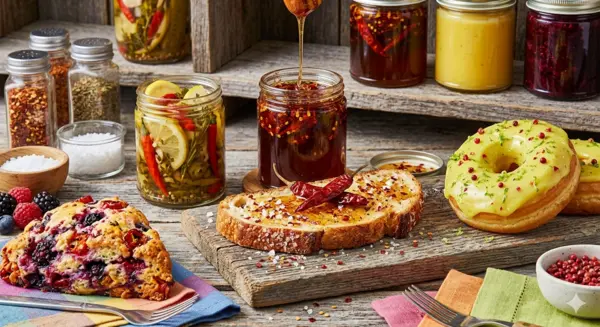
Layered and hybrid flavor profiles are gaining strong momentum. Combinations such as sweet-spicy (“swicy”), fruity-spicy (“fricy”), and spicy-sour (“spour”) are attracting growing interest. These bold, sensory-driven profiles are becoming an important way to capture consumer attention, offering novelty even within tighter budgets 1, 2.
4-3. Nostalgia and Innovation in Parallel
Nostalgia and innovation are not opposing forces—they now coexist. Consumers want familiar flavors, but they also look for new interpretations, driving a wave of “newstalgia,” where traditional dishes are reimagined through modern techniques or storytelling 3.
4-4. The Rise of Multisensory Dining
Dining is evolving into a multisensory experience that goes beyond taste to include visual presentation, aroma, sound, and spatial design. The goal is to create more immersive and holistic experiences that engage consumers across multiple senses 3.
5. Technology-Driven Operations: The Automation of Foodservice
5-1. AI and Automation for Operational Efficiency
Amid ongoing labor shortages, the industry is accelerating the adoption of automation and digital systems to reduce costs and improve efficiency. Self-ordering kiosks, automated checkout, and computer vision technologies are becoming standard parts of front-of-house operations.
Some operators are already using AI-powered vision systems to streamline checkout in self-serve dining formats. In these setups, food is prepared and displayed along a serving line, where customers can walk through, pick up items they want—such as pre-plated dishes or bowls—and place them on a tray as they go. At the end of the line, they proceed to checkout, where the AI system automatically identifies the selected items and calculates the total, reducing the need for manual scanning and significantly shortening transaction times, even in high-traffic environments 10.
5-2. AI-Driven Operations and Improved Accuracy
Beyond checkout, AI-driven image recognition is also being applied to food preparation and packaging. In boxed meal formats, for example, AI systems can perform secondary checks to ensure that contents match labeling 11.
This is especially important when allergens or labeling accuracy are involved. By reducing errors, these systems help lower complaint rates and strengthen consumer trust.
5-3. The Application of Generative AI
With the rapid advancement of generative AI, applications are expanding across the value chain—from menu development and marketing content to customer data analysis and product innovation. As a result, the industry is moving away from purely experience-based decision-making toward a hybrid model that combines data and operational systems.
The New Competitive Edge: Understanding People, Not Just Food
Taken together, the foodservice industry in 2026 is being shaped by a combination of health technologies, economic pressures, and ongoing advancements in digital tools and operations. These forces are influencing not only how people eat, but also how foodservice operators design, price, and deliver their offerings.
What sets successful brands apart is no longer just the food itself. It comes down to how well they understand consumer needs across different situations, and how effectively they balance health, price, and experience in everyday decisions. The basis of competition is gradually moving from “who makes better food” to “who understands people better.”
(The featured image was generated using Gemini’s AI tools for illustrative purposes only.)
[References]
1 “2026 U.S. Foodservice Trend Predictions.” Technomic. https://www.technomic.com/2026-us-foodservice-trends/.
2 “Six food trends that’ll take over your tables and timelines in 2026.” BBC. https://www.bbc.co.uk/food/articles/czej8n1xw17o.
3 “2026 Trends Report: The Top 10 Foodservice Trends for 2026.” ACF (American Culinary Federation). https://www.acfchefs.org/Downloads/Articles/2026-Trends-Report.pdf.
4 “減肥神藥顛覆餐飲版圖:GLP-1 風暴恐吞噬 5 兆營收,速食巨頭與零食龍頭全面改菜單自救。” CMoney. https://cmnews.com.tw/article/cmoneyairesearcher-54dfbddb-252e-11f1-ad3c-4dfb6621898f.
5 “Trendspotter alert: 6 blockbuster bakery trends to follow in 2026!” Délifrance. https://delifrance.com/blog/post/6-bakery-trends-to-follow-in-2026.
6 “How food brands can capitalize on the hottest consumer trends.” Puratos. https://www.puratos.com/blog/how-food-brands-can-capitalize-on-the-hottest-consumer-trends0.
7 “Top 10 Food Trends.” IFT (Institute of Food Technologists). https://www.ift.org/publications/food-technology-magazine/20262/march/top-10-food-trends/.
8 “What US consumers want from restaurants in 2026.” McKinsey & Company. https://www.mckinsey.com/industries/retail/our-insights/what-us-consumers-want-from-restaurants-in-2026.
9 “12 Food Trends In 2026 Restaurants Should Follow for Growth.” Malou. https://www.malou.io/en-us/blog/12-food-trends-2024-restaurant.
10 “自助結帳再升級!AI 助攻海底撈「嗨一碗」打造自助結帳系統。” Viscovery. https://viscovery.com/zh/ai-revolutionizes-haidilao-hi-noodle-self-checkout-experience/.
11 “食品インシデント対策ソリューション「 AI画像スキャン値付け」で、食品表示ラベル値付けの精度を向上|株式会社ヤオコー様.” SATO Global. https://www.youtube.com/watch?v=dGYiIchaAw0.